Take Back Control of Your Cold Chain
Frozen food manufacturers are facing a perfect storm: tighter margins, rising transportation costs, and zero tolerance …

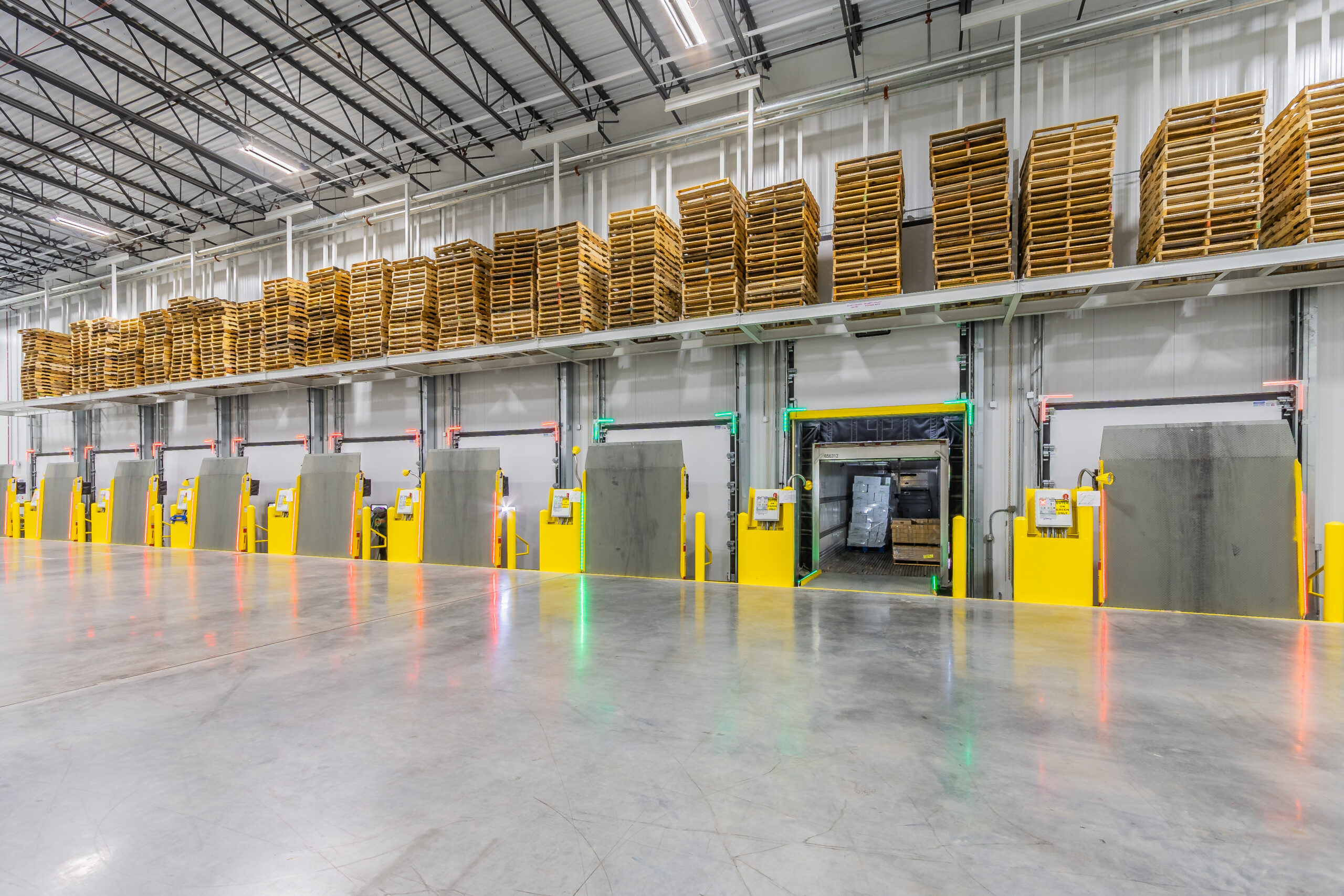
Frozen food manufacturers are facing a perfect storm: tighter margins, rising transportation costs, and zero tolerance …
Frozen food manufacturers are facing a perfect storm: tighter margins, rising transportation costs, and zero tolerance for operational surprises. As of late, industry conversations gravitate toward innovation, growth strategies, and operational efficiency.
Yet one critical element often gets overlooked in these discussions: storage control.
Here’s the reality many frozen brands are living with: they think they have a cost problem, when what they actually have is a control problem.
The difference matters more than you might think.
Public refrigerated warehouses (PRWs) serve an important role in the cold chain ecosystem. But for many frozen food manufacturers, the PRW model has become a source of friction that quietly erodes both margins and agility.
The pain points are familiar to anyone who’s dealt with them:
For frozen food manufacturers specifically, these challenges hit harder than they might for shelf-stable goods. Your inventory is time-sensitive by nature. Seasonal spikes and promotional volumes require rapid response. Production schedules depend on cold chain reliability, and even small delays cascade through your entire operation.
Here’s the key insight that many frozen brands are starting to recognize: lack of control doesn’t just add fees to your invoice. It disrupts your planning, constrains your responsiveness, and quietly erodes the margins you’re working so hard to protect.
There’s a fundamental shift happening in how smart frozen food manufacturers approach cold storage. Instead of accepting the PRW model as the only option, they’re exploring direct leasing and discovering it changes everything about how they operate.
Direct leasing flips the traditional model on its head. When you lease dedicated cold storage space:
The difference is profound. You’re no longer negotiating for access to your own inventory. You’re not surprised by line items for basic operational needs. You’re running your cold chain the way you run the rest of your business, with full visibility and control.
This isn’t about becoming a real estate company or adding operational complexity. It’s about removing the friction that’s been holding your growth back.
In today’s frozen food market, operational agility isn’t just nice to have, it’s a competitive differentiator. Control over your cold storage enables capabilities that directly impact your bottom line and growth trajectory.
But control offers something even more valuable for growing frozen brands: agility that enables strategic moves.
Launching new SKUs becomes simpler when you’re not negotiating for additional space or specialized handling. Expanding into new geographic markets doesn’t require finding available capacity in someone else’s warehouse. Supporting private-label or co-manufacturing relationships becomes feasible when you have dedicated space you can configure to specific requirements.
Control isn’t just about independence, it’s about having the operational flexibility to execute your growth strategy without storage constraints dictating your timeline.
Here’s where many frozen food manufacturers hesitate: they recognize the value of control, but they’re not ready to build their own facility or lock into massive capital commitments.
Multi-tenant cold storage leasing solves exactly this problem.
With multi-tenant leasing, you get dedicated space that’s entirely yours to control, but without the capital investment or long-term risk of building your own facility. Leasing gives you operational autonomy, including the freedom to manage your inventory, choose your 3PL partners, and run operations on your schedule.
This model works especially well for small to mid-sized frozen food manufacturers for several reasons:
The flexibility matters because frozen food brands rarely grow in straight lines. Seasonal peaks, new product launches, geographic expansion—your storage needs shift with your business. Multi-tenant leasing lets you match your space commitment to your actual requirements, not make permanent bets on future capacity needs.
Control means little if your storage sits in the wrong location. Strategic placement of your cold storage directly impacts transit times, market access, and overall supply chain efficiency.
Cold Summit currently has leasing space in two locations that offer compelling advantages for frozen food manufacturers looking to take back control:
These aren’t just dots on a map, they are strategic tools for control. The right location means shorter transit times to your key markets, better access to transportation partners, and reduced complexity in your overall cold chain network.
When you combine operational control with strategic positioning, you’re not just solving a storage problem. You’re building a competitive advantage.
It’s worth addressing a common misconception: taking control of your cold storage doesn’t mean taking on operational burden.
Control, done right, is about removing friction from your supply chain, not adding complexity. You’re not becoming a warehouse operator, you’re simply ensuring that storage decisions align with your business priorities instead of being dictated by someone else’s constraints.
For frozen food brands investing in product innovation, better ingredients, and smarter go-to-market strategies, it makes sense to expect the same level of strategic thinking from your cold storage approach. Innovation in your product deserves innovation in your infrastructure.
The frozen food manufacturers thriving in this environment aren’t necessarily the biggest or best-funded. They’re the ones who’ve recognized that margins, timelines, and growth all depend on controlling the operational fundamentals.
When you control your cold chain, you control your destiny. You respond faster to opportunities, navigate challenges with agility, and build your business on a foundation you can actually count on.
The question isn’t whether you can afford to take back control. It’s whether you can afford not to.
Ready to explore what operational control could mean for your frozen food brand? Cold Summit offers multi-tenant cold storage leasing, including available spaces in Wilmington, NC and Dallas, TX. Let’s talk about how dedicated space could change your cold chain strategy.

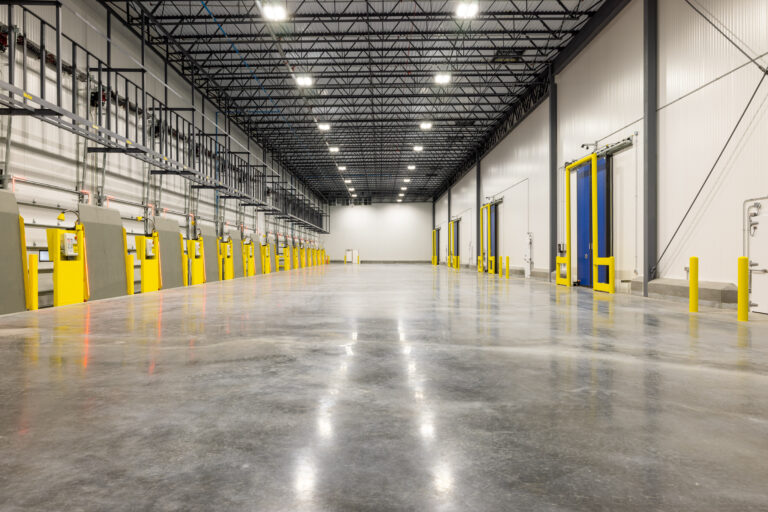
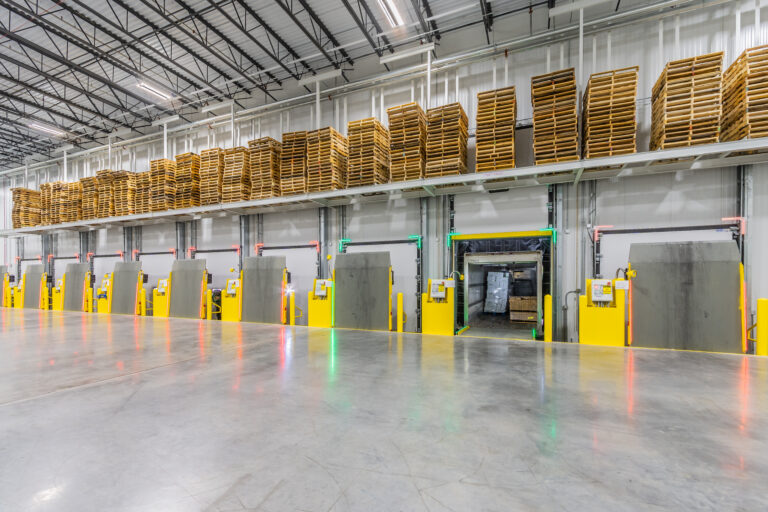
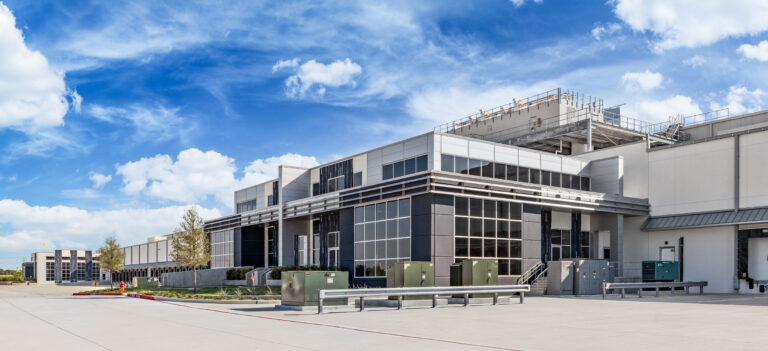

Whether you’re exploring financing options, need guidance on design and development, or want expert construction management, we’re just a call or message away. Contact us today, and let’s discuss how we can turn your vision into a state-of-the-art cold storage solution that meets your unique needs.


