How to Design a Cold Storage Facility Around Throughput, Not Just Square Footage
When companies begin evaluating cold storage space, one of the first questions is almost always: How …

When companies begin evaluating cold storage space, one of the first questions is almost always: How …
When companies begin evaluating cold storage space, one of the first questions is almost always: How many square feet do we need?
It’s a very logical question, but often it’s the wrong one to start with.
A large building with poor dock flow, inefficient racking, and operational bottlenecks can move less product than a smaller, better-designed facility. In cold storage, throughput (not just square footage) is what drives efficiency, profitability, and scalability.
The volume of product your facility can receive, process, store, and ship within a given period of time is shaped by how quickly trucks can cycle in and out, how efficiently product moves through staging and storage, how fast orders can be picked and shipped, and how well traffic flows both inside and outside the building.
When throughput is at the heart of a facility’s design, your labor efficiency improves, transportation costs drop, spoilage risk decreases, and customer service levels hold.
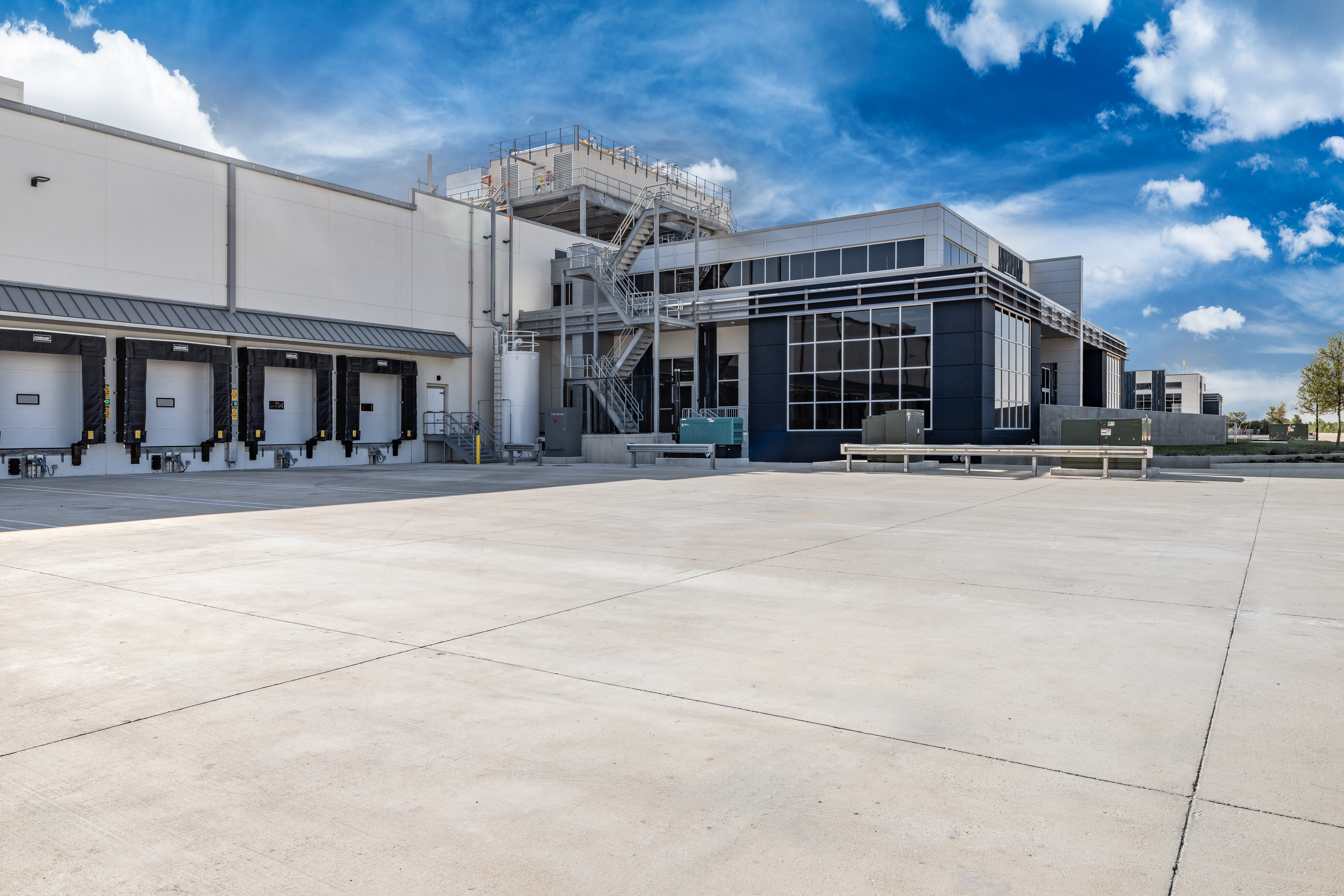
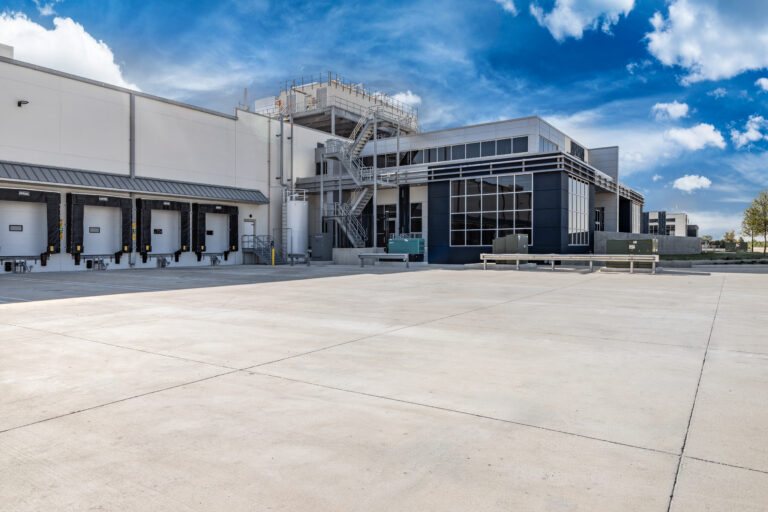
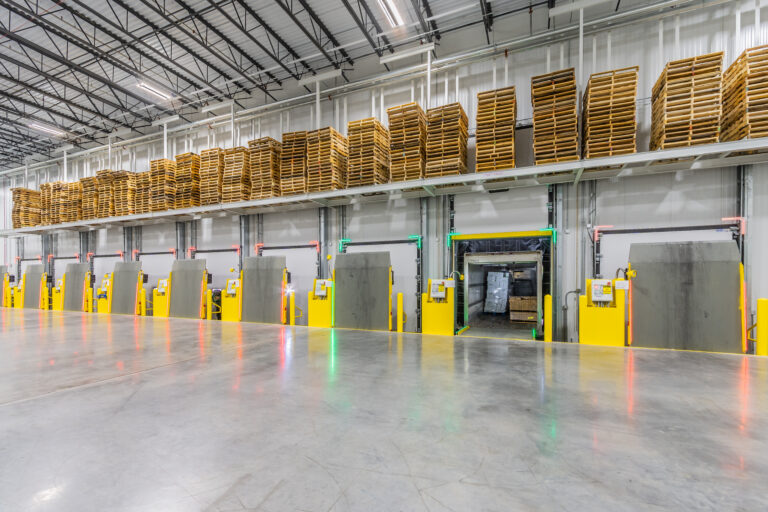
Dock doors are one of the most commonly underestimated constraints in cold storage design. Not enough doors and you’re creating truck queues before product even enters the building. Poorly positioned docks create congestion that compounds throughout the day. Separating inbound and outbound flows, rather than running them through the same doors, can meaningfully improve throughput – particularly in high-volume operations.
Door sizing and dock equipment matter, too. A building may have adequate cubic storage capacity, but still fail operationally if trucks are consistently waiting two or three hours to unload. That delay doesn’t just affect your facility, it ripples through your customers’ supply chains.
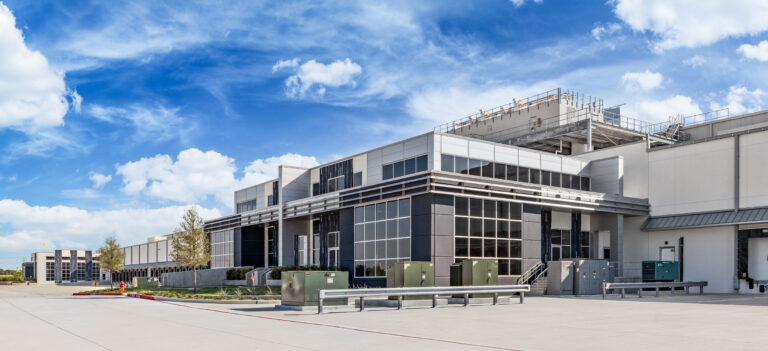
What happens outside the building is just as consequential as what happens inside it. Trailer staging areas, turning radiuses, and the separation of truck, employee, and visitor traffic all affect how quickly product moves from carrier to dock.
For port-adjacent facilities or high-volume operations handling significant import/export cargo, yard design can become a hard constraint on daily throughput. A facility that can’t efficiently stage and cycle trailers will eventually hit a ceiling that no amount of racking optimization can overcome.
In the push to maximize pallet positions, staging space is frequently the first thing that gets compressed – and one of the first things operators regret.
Staging areas serve as the critical buffer between receiving, storage, and shipping. Insufficient staging means product clogs aisles, slows picking operations, and creates order accuracy problems that show up downstream. For facilities running cross-dock operations or handling a high mix of SKUs, the calculus shifts further: more throughput demands more staging, not less.
The densest racking configuration is not automatically the most efficient one. Selecting between selective, drive-in, push-back, or mobile racking systems requires an honest look at your SKU movement patterns. High-velocity items need quick access. Slower-moving product can tolerate deeper storage lanes. Getting that balance wrong means slower pick rates and more labor hours per pallet moved.
Aisle widths, rack heights, and forklift compatibility all factor in. A rack strategy designed around storage density at the expense of accessibility will eventually show up in your operating costs.
A poorly zoned facility creates friction at every step. Operators handling frozen, refrigerated, and ambient product in the same building need zones designed so that product flows logically through the building without unnecessary cross-traffic or temperature exposure.
Add ripening rooms, blast freezing capability, or flexible temperature zones for seasonal volume shifts, and the design complexity increases further. Cold Summit’s refrigeration technology, which is capable of ranging from -20°F to +55°F, was built specifically to address the operational reality that product mixes change, seasons shift, and a fixed-temperature building that serves you well in January may leave you exposed in July.
Many operators aren’t deploying ASRS systems, conveyors, or robotics on day one, but the facilities that don’t account for future automation typically pay for it later through expensive retrofits or operational constraints that make adoption prohibitively disruptive.
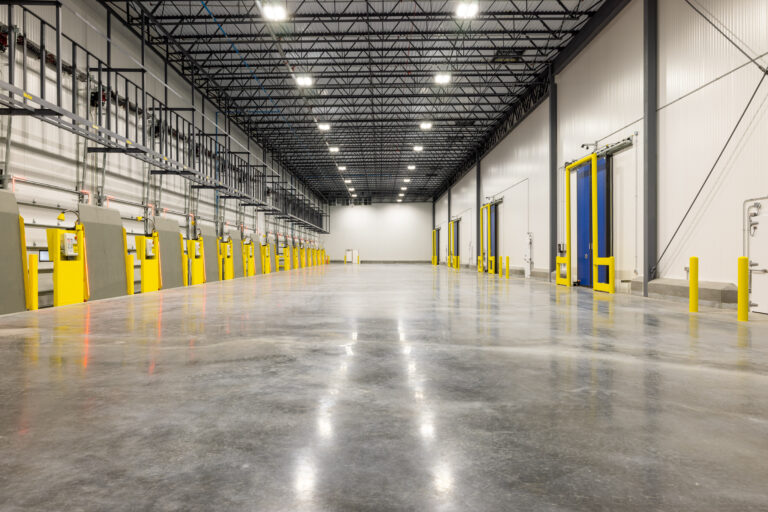
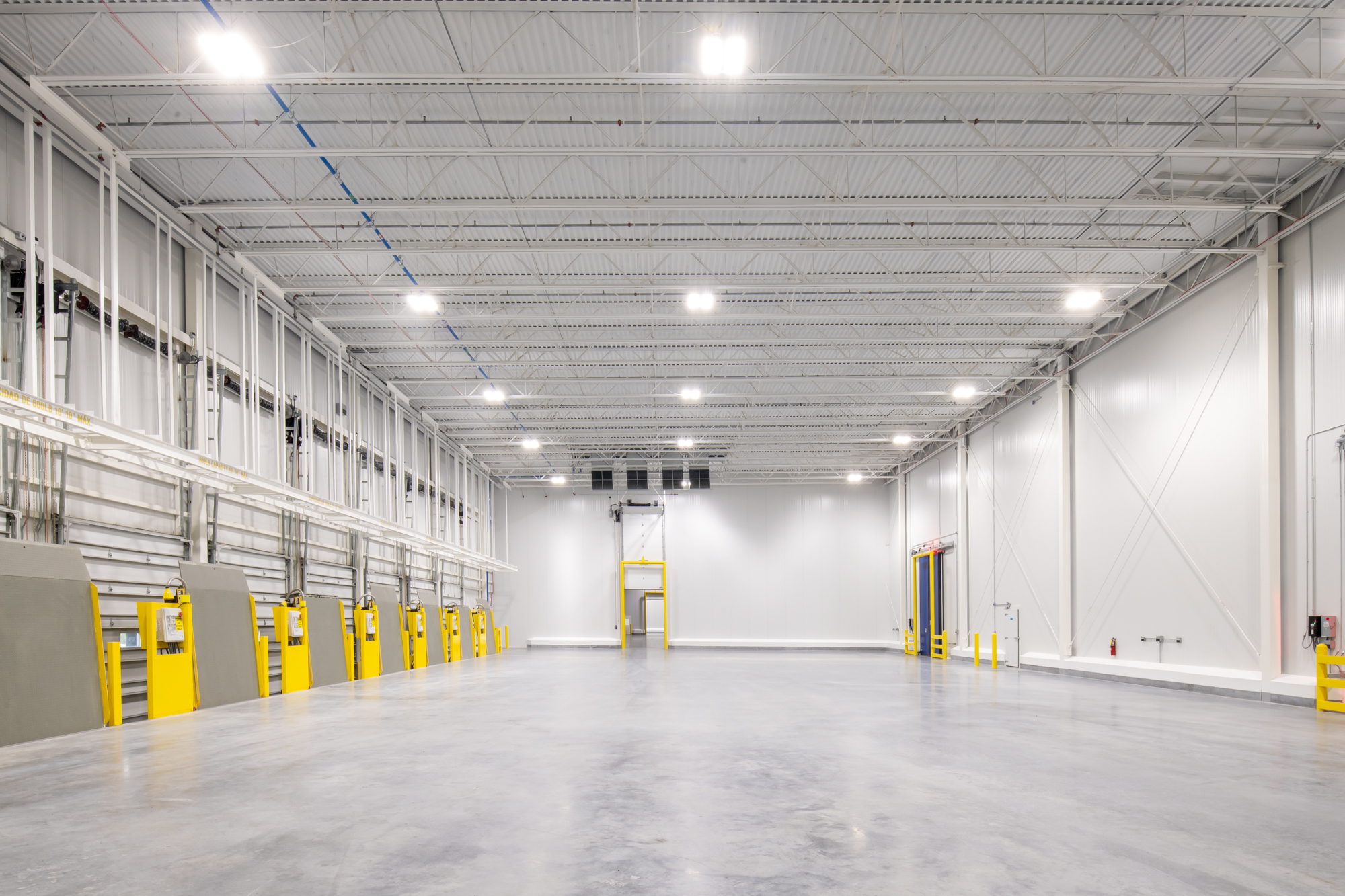
Designing for automation readiness means accounting for floor flatness tolerances, ceiling clearances, power capacity, and WMS integration pathways before construction begins. The cost to plan for it upfront is a fraction of what it costs to work around a building that wasn’t designed with it in mind.
A facility optimized for today’s volume and product mix can become a liability as your operation scales. Modular layouts, expansion-ready site plans, and flexible temperature infrastructure are the difference between a building that grows with your business and one that constrains it.
Throughput requirements evolve. Product mixes shift. Customer expectations around speed and accuracy continue to rise. The facilities built to meet those demands five years from now are the ones being designed with that trajectory in mind today.
The most efficient cold storage facilities aren’t simply the largest. They’re the ones designed to move product efficiently at every stage, from arrival to storage to outbound shipment.
At Cold Summit, we design facilities around real operational workflows, not square footage targets. If you’re evaluating your next cold storage project, start by asking a different question: How much product do we need to move — and how fast?
That’s the number that should drive your design.





Whether you’re exploring financing options, need guidance on design and development, or want expert construction management, we’re just a call or message away. Contact us today, and let’s discuss how we can turn your vision into a state-of-the-art cold storage solution that meets your unique needs.


