Why Advanced Cold Storage Actually Lowers Operating Costs
When operators walk through a Cold Summit facility for the first time, the reaction is often …

When operators walk through a Cold Summit facility for the first time, the reaction is often …
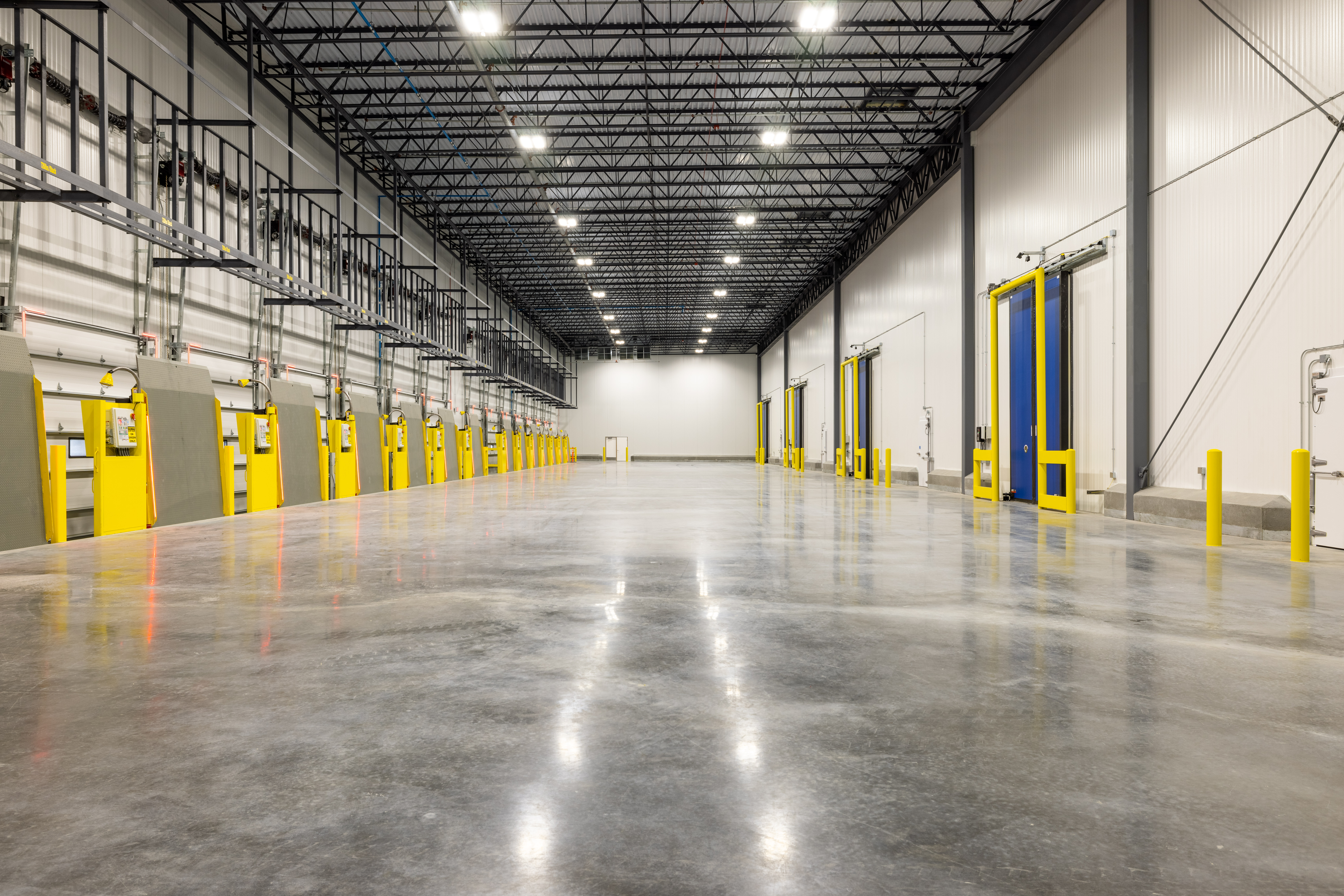
When operators walk through a Cold Summit facility for the first time, the reaction is often the same.
They see automated engine rooms, integrated building management systems, and remote monitoring — and assume it all adds complexity. And complexity, in their experience, usually means more staff, more service calls, and higher operating costs.
It’s a reasonable assumption. But it’s outdated.
Advanced cold storage technology, when designed correctly, doesn’t increase operational burden, it reduces it. That distinction matters when you’re building the internal case for change, because the reality is often the opposite of what stakeholders expect.
To understand why, it helps to look at what operators are dealing with today.
Our recent LinkedIn poll reinforced what we hear in conversations every day: 63% of cold storage operators said the first thing they’d fix is maintenance hassles.
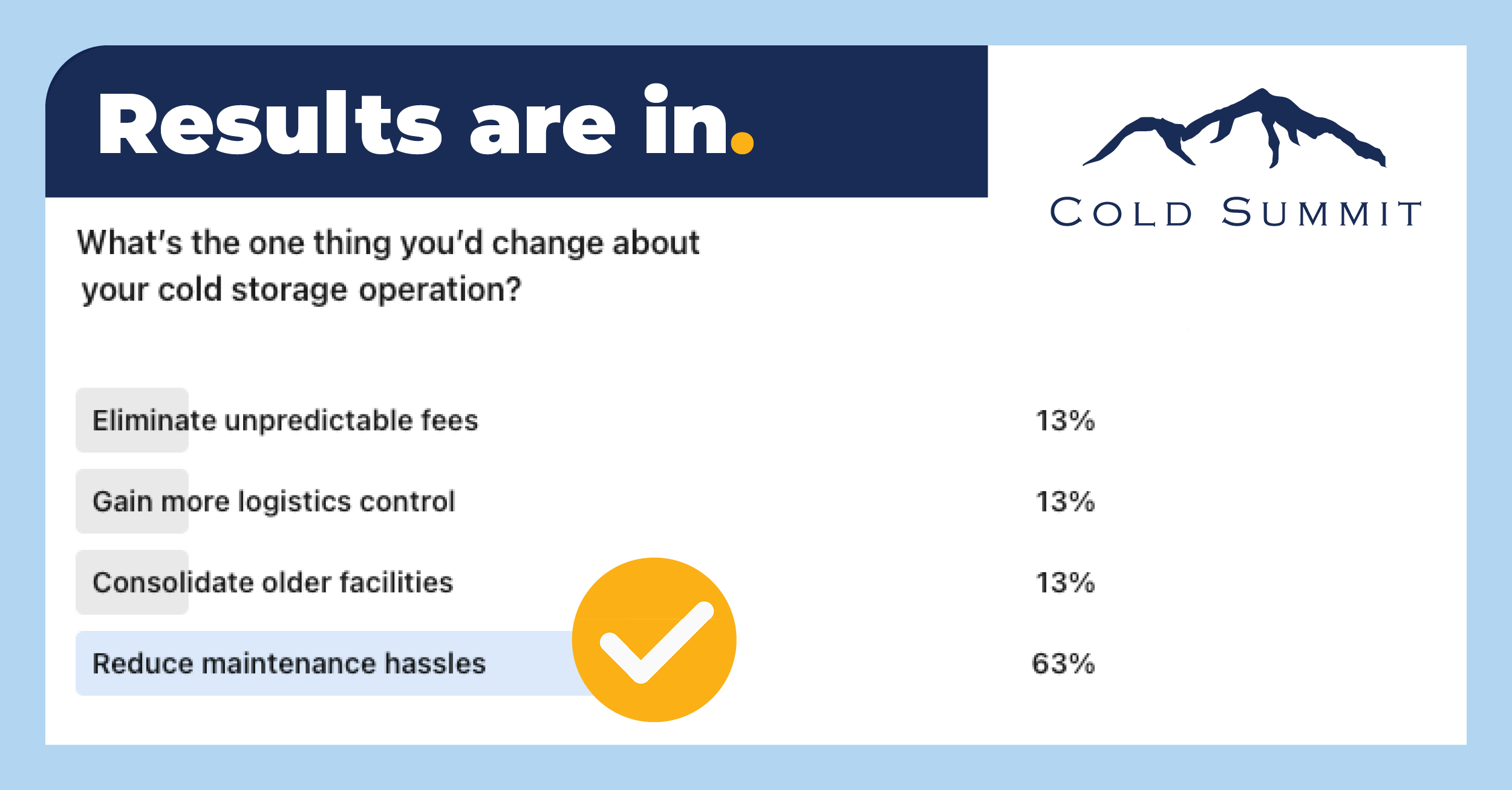
That number isn’t surprising.
Older facilities don’t just require more maintenance, they require you to build an entire operating model around managing that maintenance. That includes dedicated refrigeration staff, emergency repair budgets, and management time that disappears into troubleshooting instead of running the business. Underneath all of it is a chronic, low-level risk: the knowledge that you’re one equipment failure away from a product loss event.
Most of these costs don’t show up cleanly on a P&L, which is part of why they tend to get tolerated rather than solved. But they’re real, they compound over time, and they have a ceiling that never comes.
We recently worked with a tenant who came from exactly this environment.
Their previous facility was a solid operation with a capable team, but the refrigeration system demanded constant attention. Something was always failing, being patched, or pulling someone away from more important priorities. To keep things running, they employed a full-time refrigeration engineer at roughly $150,000 annually — not to support growth or complexity, but simply to keep the building functional.
When they first evaluated Cold Summit, they hesitated. The technology looked sophisticated, and their assumption was that sophistication meant more oversight, more specialization, and higher costs.
What they found was the opposite.
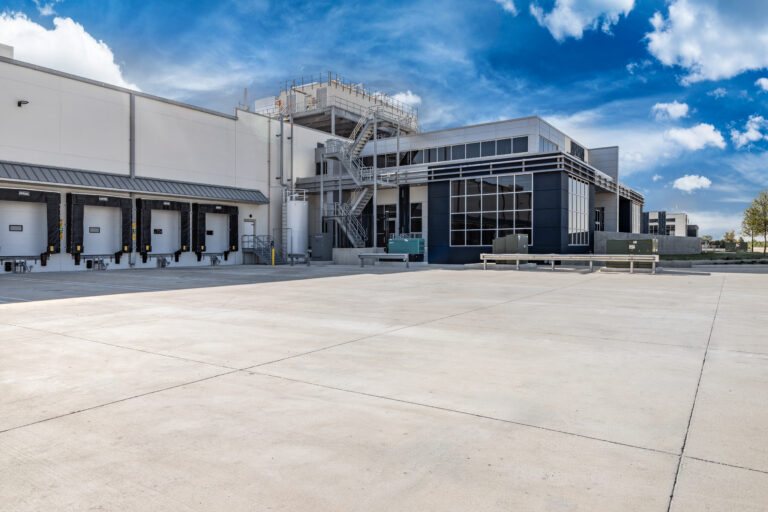
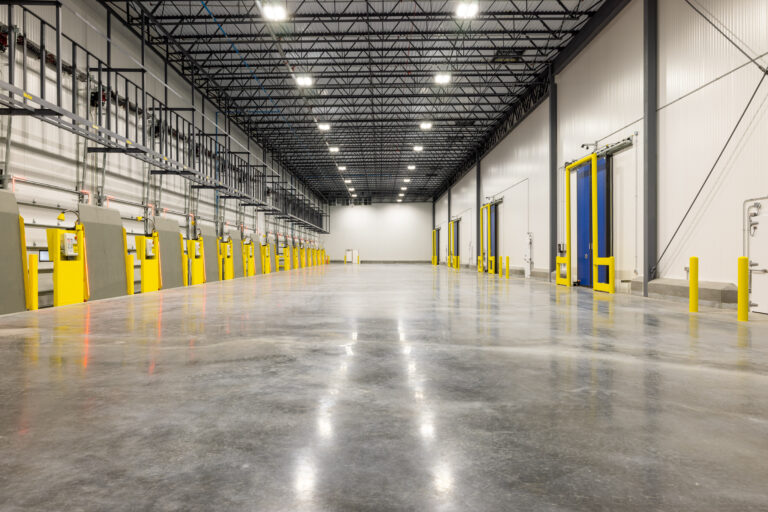
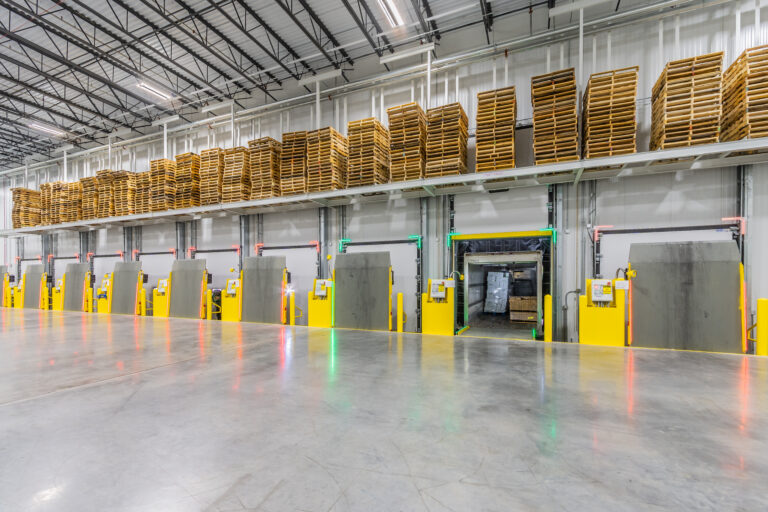
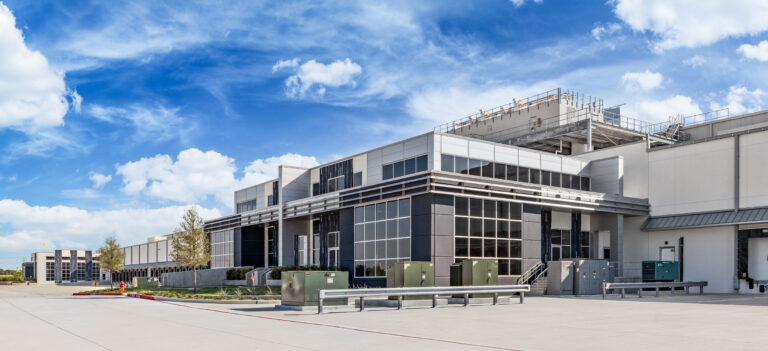
Cold Summit facilities are designed with automated engine rooms that minimize manual intervention. Self-reporting systems integrate directly into the building management platform, while remote monitoring through our partners at Innovative Refrigeration Systems flags issues before they escalate. Operators can monitor and adjust the system on a phone, from anywhere.
The refrigeration engineer wasn’t replaced. The role simply became unnecessary.
The impact was immediate: at least $150,000 in annual OpEx savings, fewer emergency calls, and, for the first time in years, a facility team focused on operations instead of constant maintenance.
Advanced technology, when implemented correctly, doesn’t add complexity. It removes it.
Once operators see what modern infrastructure can eliminate operationally, the discussion quickly moves to finance. That’s typically where the internal business case stalls, not because the benefits aren’t clear, but because the comparison itself is often misunderstood.
A modern facility, whether that’s a direct lease in an existing Cold Summit building or a build-to-suit, carries a higher upfront cost than renewing a lease on an aging facility. On paper, the status quo looks cheaper. That’s the comparison that tends to kill good decisions.
But in reality, the comparison fails because an aging facility doesn’t have a finish line. The maintenance costs that are high today will be higher in three years. The systems causing problems now will cause bigger problems later, layered on top of whatever else has aged in the meantime. Every dollar spent maintaining an old building builds no equity, reduces no long-term risk, and moves the needle on nothing. It is infrastructure spend with no return.
A modern facility inverts that math. Higher upfront, yes, but the operational savings begin immediately. You have less reactive labor, lower energy costs, and fewer surprises. The building stops being a liability and starts being an asset.
When you frame it that way — not as the cost of a new facility, but as the cost of continuing to operate the current one — the conversation with internal stakeholders tends to shift.
For operators ready to make the move, there are two practical options.
Both paths lead to the same outcome: a facility that works for your operation instead of against it.
If your building is costing you more every year to maintain, you already know where that trajectory ends. The question most operators are really asking isn’t whether a modern facility makes sense. It’s whether the business case is strong enough to get internal stakeholders aligned.
That’s a conversation we’re well-equipped to be part of, whether that means walking your team through an existing facility, modeling what a build-to-suit would look like for your specific situation, or helping you frame the long-term cost comparison in a way that lands internally.
The building shouldn’t be the hardest part of running your operation.




Whether you’re exploring financing options, need guidance on design and development, or want expert construction management, we’re just a call or message away. Contact us today, and let’s discuss how we can turn your vision into a state-of-the-art cold storage solution that meets your unique needs.


